Welcome to your practical, no-nonsense guide to understanding home renovation costs in Kerikeri. Whether you’re updating a tired kitchen, renovating an older Northland home, or planning a larger extension, knowing what costs to expect upfront can save you stress, time, and money. Renovation prices in Kerikeri can vary widely depending on the age of your property, material choices, labour availability, and consent requirements, which is why clear, locally relevant information matters. This guide breaks down realistic costs, common hidden expenses, and smart budgeting tips so you can plan your renovation with confidence and avoid expensive surprises along the way.
Home renovation costs in Kerikeri typically range from $20,000 for small cosmetic upgrades to over $250,000 for full home renovations or extensions. Factors such as the size of the project, condition of the home, material choices, labour availability in Northland, and council consent requirements all influence the final cost. Kitchen and bathroom renovations are usually the most expensive, while painting, flooring, and minor upgrades are more budget-friendly. Proper planning and a contingency budget are essential to managing renovation costs effectively.
Table of Contents
What Influences Home Renovation Costs In Kerikeri?
Home renovation costs in Kerikeri are shaped by a combination of practical, local, and regulatory factors. While two projects may look similar on paper, the final price can differ significantly depending on the scope of work, the condition of the home, and regional considerations unique to Northland. Understanding these influences early helps homeowners budget more accurately and avoid unexpected cost increases as the renovation progresses.
Size And Scope Of The Renovation
The overall size and complexity of a renovation play one of the biggest roles in determining cost. Smaller projects are easier to control, while larger renovations introduce more variables, trades, and potential delays.
Single room renovations compared to full home renovations typically differ in the following ways:
- Single room renovations involve fewer trades, shorter timelines, and lower disruption
- Full home renovations require coordinated scheduling, higher labour costs, and more extensive planning
Cosmetic upgrades compared to structural changes also impact pricing:
- Cosmetic upgrades such as painting, flooring, or new fixtures are generally more affordable
- Structural changes such as removing walls, altering layouts, or adding rooms increase costs due to engineering, consent requirements, and skilled labour
The more complex the scope, the higher the likelihood of added costs throughout the build.
Age And Condition Of The Property
Many homes in Kerikeri were built between the 1970s and 1990s, and while they often have solid foundations, they can come with age related issues that affect renovation budgets.
Older homes commonly present challenges such as:
- Outdated electrical wiring that does not meet current safety standards
- Aging plumbing systems that need upgrading
- Moisture problems, rot, or insulation gaps discovered once work begins
These hidden issues are rarely visible during early planning stages but can significantly increase renovation costs once uncovered.
Labour Availability In Northland
Labour availability in Northland differs from larger cities, and this directly affects renovation pricing in Kerikeri. The local contractor pool is smaller compared to Auckland, which can drive up demand for experienced trades.
Key labour related cost factors include:
- Limited availability of skilled builders and specialist trades
- Longer wait times to start projects
- Premium rates for experienced or in demand contractors
In some cases, trades may need to travel from outside the region, adding travel time and accommodation costs to the overall project budget.
Material Costs And Transport
Material pricing in Kerikeri is influenced not just by product choice, but also by location. Transporting materials to the Far North can add noticeable costs, especially for larger or heavier items.
Material and transport considerations include:
- Freight costs for materials sourced from outside Northland
- Delays due to shipping or supply chain issues
- Differences between locally sourced and imported materials
While local materials may reduce freight costs, imported products often come with higher purchase prices and longer lead times.
Council Consents And Compliance FNDC
Council requirements play an important role in renovation costs and timelines in Kerikeri. The Far North District Council requires building consent for certain types of work, particularly those involving structure, plumbing, or changes to use.
Situations where consent is commonly required include:
- Structural alterations or extensions
- Plumbing or drainage changes
- Work that affects the safety or integrity of the building
Consent fees, inspections, and approval timelines can add both direct costs and delays to a renovation if not planned for early.
Average Home Renovation Costs In Kerikeri (By Project Type)
Understanding average home renovation costs in Kerikeri helps homeowners set realistic expectations before committing to a project. Renovation pricing in the Far North can vary significantly depending on the age of the property, availability of skilled trades, material transport costs, and the overall scope of work. Rather than exact figures, the ranges below reflect common local scenarios and provide guidance for budgeting with confidence.
Kitchen Renovation Costs
Kitchen renovations are one of the most popular upgrades in Kerikeri homes, and also one of the most variable in cost. The final price largely depends on whether you are refreshing an existing layout or undertaking a full remodel.
Basic refresh vs full remodel
- A basic refresh usually includes repainting, replacing benchtops, upgrading appliances, and updating cabinet fronts while keeping the existing layout
- A full remodel often involves new cabinetry, layout changes, upgraded plumbing and electrical work, and higher-end finishes
Cabinetry, benchtops, appliances
- Cabinetry quality and customisation have a major impact on cost
- Benchtop materials range from laminate and engineered stone to natural stone
- Appliance upgrades can significantly increase the overall budget depending on brand and features
Typical cost range
- Low range for cosmetic upgrades and retained layouts
- Mid range for partial redesigns with improved materials
- High range for full custom kitchens with layout changes and premium finishes
Bathroom Renovation Costs
Bathroom renovations require careful planning due to compliance requirements and technical complexity. In Kerikeri, many older homes also need upgrades to meet current standards.
Wet area compliance
- Waterproofing and drainage must meet New Zealand building regulations
- Poor compliance can lead to costly rework if not done correctly the first time
Plumbing relocation costs
- Keeping fixtures in the same position helps control costs
- Moving toilets, showers, or vanities increases labour and plumbing expenses
Typical cost range
- Lower budgets usually cover fixture replacements and cosmetic updates
- Mid range projects include new tiling, fittings, and improved layouts
- Higher budgets apply to full bathroom rebuilds with custom finishes and layout changes
Living Areas And Bedrooms
Renovating living areas and bedrooms is often more budget-friendly compared to kitchens and bathrooms, making it a common starting point for homeowners.
Flooring, painting, lighting
- Replacing flooring such as carpet, laminate, or timber flooring
- Repainting walls and ceilings to modernise the space
- Updating lighting for better functionality and atmosphere
Open-plan conversions
- Removing internal walls to create open-plan living is popular
- Structural changes may require engineering reports and consent, which increases costs
Overall costs in this category typically remain lower unless structural changes are involved, making it a cost-effective way to refresh a home’s look and feel.
Extensions And Structural Renovations
Extensions and major structural renovations represent the highest investment but can significantly increase both space and property value in Kerikeri.
Adding bedrooms or living space
- Common reasons include growing families or creating multi-purpose living areas
- Costs increase when adding bathrooms or kitchens as part of the extension
Cost per square metre in a New Zealand context
- Pricing varies based on build complexity, materials, and site access
- Rural or sloped sections around Kerikeri may increase construction costs
These projects require detailed planning, council consent, and a larger contingency budget due to their complexity.
Outdoor Renovations (Popular In Kerikeri)
Outdoor living is highly valued in Kerikeri due to the climate and lifestyle, making exterior renovations a popular investment.
Decks, pergolas, outdoor living
- Timber or composite decks extend usable living space
- Pergolas and covered areas provide year-round usability
Landscaping integration
- Pathways, retaining walls, and planting can be incorporated into renovation plans
- Well-planned landscaping enhances both usability and visual appeal
Outdoor renovations vary widely in cost depending on size, materials, and design complexity, but they often deliver strong lifestyle benefits.
Renovation Cost Breakdown – Where The Money Actually Goes
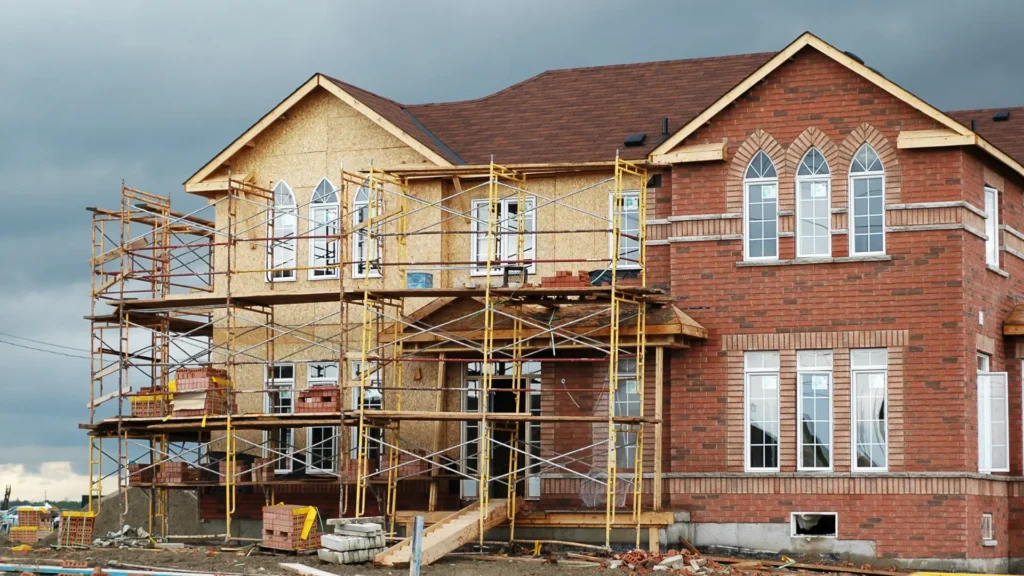
Understanding where your renovation budget is actually spent helps you plan realistically and avoid surprises once work begins. Many homeowners focus only on the final quote, but renovation costs are made up of several moving parts. In Kerikeri and the wider Northland area, factors like labour availability, compliance requirements, and professional planning all play a significant role in the final cost.
Labour vs Materials
For most home renovations in Kerikeri, labour makes up a larger portion of the budget than materials. This often surprises homeowners, but it reflects the skill, time, and coordination required to complete quality work.
Typical percentage split:
- Labour: approximately 50–60 percent of total renovation cost
- Materials: approximately 40–50 percent of total renovation cost
Labour is often the biggest cost because renovations involve multiple qualified trades such as builders, electricians, plumbers, tilers, and painters. In Northland, the pool of experienced trades is smaller than in major cities, which can increase labour rates and lead times. Skilled workmanship is also critical for meeting building standards, passing inspections, and ensuring the renovation lasts long term. While materials can be adjusted to suit different budgets, labour costs are harder to reduce without risking quality or compliance.
Design, Planning & Project Management
Design and planning costs are an important part of a renovation budget, especially for larger or more complex projects. These costs are often overlooked early on but can have a major impact on both the final outcome and overall spend.
Architects vs designers:
- Architects are typically used for large renovations, structural changes, or extensions and generally charge higher fees due to their training and scope of work
- Building designers or draftspersons are often more cost-effective for smaller renovations or layout changes and are commonly used in residential projects
Project management can add an upfront cost, but it often saves money in the long run. A project manager coordinates trades, schedules work efficiently, manages budgets, and reduces costly delays or mistakes. For homeowners who are not experienced in renovations or who cannot manage the project full time, professional project management can prevent budget blowouts and keep the renovation on track.
Permits, Reports & Compliance Costs
Compliance costs are a necessary part of renovating and are essential for protecting your investment and ensuring your home meets legal and safety standards.
- Required for structural changes, plumbing alterations, electrical work, and extensions
- Fees vary depending on the scope and value of the renovation
- Approval timelines should be factored into the overall project schedule
Inspections and Certifications:
- Council inspections at key stages of the build
- Code Compliance Certificate issued after work is completed
- Additional reports may be required for drainage, engineering, or moisture control
These costs ensure the renovation meets the requirements of the Far North District Council and New Zealand building regulations. Skipping or underestimating compliance expenses can lead to delays, rework, or problems when selling the property in the future.
Hidden & Often Overlooked Renovation Costs
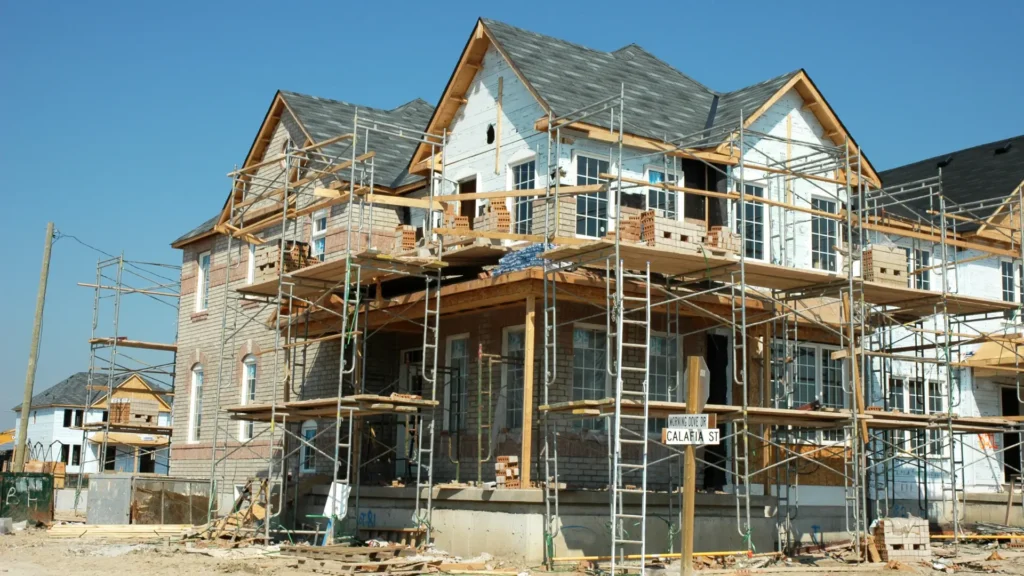
Many homeowners plan carefully for visible renovation expenses but still get caught off guard by costs that only appear once work is underway. In Kerikeri, where many homes are older or have been renovated multiple times, these hidden expenses can have a noticeable impact on your overall budget if they are not planned for early.
Unexpected Repairs
Unexpected repairs are one of the most common reasons renovation budgets increase. These issues are often hidden behind walls, under floors, or within older building materials and only become visible once demolition begins.
Common examples include:
- Rot in framing or flooring caused by long-term moisture exposure
- Asbestos found in cladding, insulation, or old vinyl flooring
- Outdated plumbing or electrical systems that no longer meet current standards
In older Kerikeri homes, especially those built several decades ago, these problems are not unusual. Addressing them is not optional, as they directly affect safety, compliance, and long-term durability. While these repairs can feel frustrating, they are often essential to protect both your investment and the health of those living in the home.
Temporary Living Costs
Renovations can significantly disrupt daily life, and many homeowners underestimate the cost of maintaining normal routines during construction. Deciding whether to stay or move out can have financial implications either way.
Key considerations include:
- The cost of short-term accommodation if kitchens or bathrooms are unusable
- Additional travel or storage expenses when living off-site
- Reduced productivity and comfort if you choose to live through the renovation
Living in the home during renovations may save on accommodation costs, but it can slow progress and increase stress. Moving out can speed up work but often adds an extra layer of expense that should be included in the overall renovation budget.
Cost Overruns And Variations
Even with a detailed quote, renovation costs can change once work begins. This is not always due to poor planning but rather the reality of working with existing structures and evolving project decisions.
Reasons quotes often change include:
- Hidden damage discovered after demolition
- Changes to materials, finishes, or layouts mid-project
- Material price increases or supply delays
- Additional compliance requirements once work is underway
To manage this risk, it is wise to plan a contingency buffer. Most professionals recommend allowing an additional 10 to 20 percent of your total renovation budget. This buffer helps absorb unexpected costs without forcing rushed decisions or compromising quality.
How Kerikeri Renovation Costs Compare To Other NZ Regions
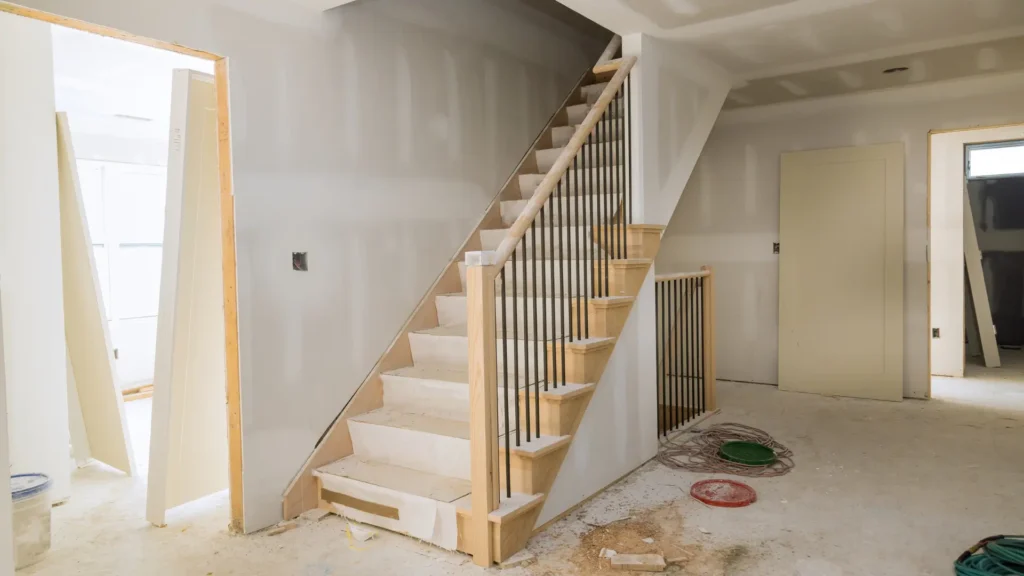
Renovation costs in Kerikeri often surprise homeowners who expect smaller towns to be significantly cheaper than major cities. While some expenses can be lower, others balance things out, making regional comparisons more nuanced than they first appear. Understanding how Kerikeri compares to Auckland and Whangārei helps set realistic expectations before you start planning.
- Kerikeri vs Auckland
- Labour costs: Auckland generally has higher hourly rates due to demand, competition for skilled trades, and higher living costs for contractors.
- Material pricing: While Auckland benefits from closer access to suppliers, Kerikeri often sees higher freight costs added to similar materials.
- Project timelines: Kerikeri renovations can take longer due to trade availability, which may increase overall project costs even if daily rates are lower.
- Kerikeri vs Whangārei
- Trade availability: Whangārei has a larger pool of builders and subcontractors, which can lead to more competitive pricing.
- Travel and logistics: Kerikeri projects may include extra travel time for specialists based in Whangārei, affecting labour charges.
- Market demand: Kerikeri’s lifestyle appeal can drive higher renovation demand, especially for upgrades aimed at resale or holiday homes.
- Why “Cheaper Regions” Aren’t Always Cheaper
- Limited competition: Fewer trades can reduce price competition, pushing costs higher than expected.
- Seasonal demand: Renovation work in Kerikeri often peaks during warmer months, increasing prices during busy periods.
- Specialised work: Certain services may need to be brought in from outside the region, adding travel and accommodation costs.
- Regional Labour & Logistics Reality
- Material transport: Freight to Northland can significantly impact budgets, particularly for bulky or custom items.
- Scheduling flexibility: Delays caused by weather, supply issues, or trade availability are more common in regional areas.
- Planning importance: Detailed planning and early bookings are essential to manage costs and avoid last-minute premiums.
In short, Kerikeri renovation costs sit somewhere between larger centres and smaller regional towns. While you may save in some areas, other factors can quickly offset those savings. A clear understanding of regional differences allows you to budget more accurately and move forward with confidence.
How To Budget Smartly For A Home Renovation In Kerikeri
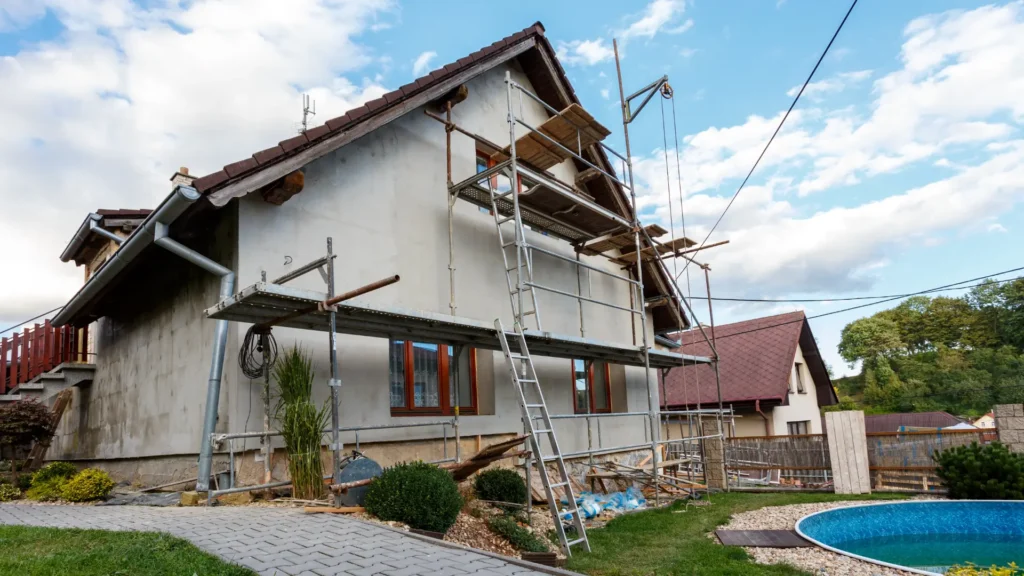
Planning a renovation budget in Kerikeri requires more than rough estimates. Local labour availability, transport costs, and the condition of many older homes mean that smart budgeting starts with clear priorities and realistic financial planning from the very beginning.
Set Priorities Before You Start
Before committing to designs or materials, it is important to be clear about what actually needs to be done versus what would simply be nice to have. This step helps prevent overspending and keeps your renovation focused on what delivers the most value.
- Needs vs Wants: Needs include repairs, safety upgrades, and functional improvements such as roofing, plumbing, or electrical work. Wants usually involve cosmetic upgrades like premium finishes or layout changes that are not essential. Prioritising needs first helps protect your budget if costs increase later.
- Long-Term Value vs Short-Term Aesthetics: Some upgrades add lasting value to your home, while others mainly improve appearance. Structural improvements, energy efficiency upgrades, and functional layouts tend to provide better long-term returns than purely aesthetic features that may date quickly.
Build A Contingency Fund
Even well-planned renovations can uncover surprises, especially in older Kerikeri homes. A contingency fund gives you flexibility and reduces financial stress if unexpected issues arise.
- Recommended Buffer Range: A contingency of 10 to 20 percent of your total renovation budget is generally considered realistic. Larger or older homes may require a higher buffer due to increased risk of hidden issues.
- What It Should Realistically Cover: This fund should be reserved for unforeseen costs such as structural repairs, outdated wiring, plumbing issues, consent-related changes, or material price increases. It should not be treated as extra spending money for upgrades.
Get Multiple Quotes The Right Way
Obtaining multiple quotes is essential, but how you compare them matters just as much as how many you collect. Poor comparisons can lead to costly mistakes later.
- Apples-To-Apples Comparisons: Ensure each contractor is quoting on the same scope of work, materials, and finishes. Differences in inclusions can make a cheaper quote appear more attractive than it really is.
- Red Flags In Quotes: Be cautious of quotes that are significantly lower than others, lack detail, or exclude key items. Vague allowances, missing timelines, and unclear payment terms often lead to disputes or cost increases during construction.
Stage Your Renovation If Needed
If your budget is limited, staging your renovation can make the project more manageable without compromising overall quality.
- Renovating In Phases: Completing work room by room or prioritising essential areas first allows you to spread costs over time. This approach is common in Kerikeri, especially for larger homes or lifestyle properties.
- Cash-Flow-Friendly Approach: Staging helps align renovation costs with savings or financing availability, reducing the need for excessive borrowing and giving you more control over spending decisions.
Planning your renovation budget carefully sets the foundation for a smoother and more successful project. By prioritising wisely, allowing for contingencies, comparing quotes properly, and considering phased work, you can move forward with confidence and avoid many of the common financial pitfalls homeowners face during renovations.
How To Reduce Home Renovation Costs Without Cutting Corners
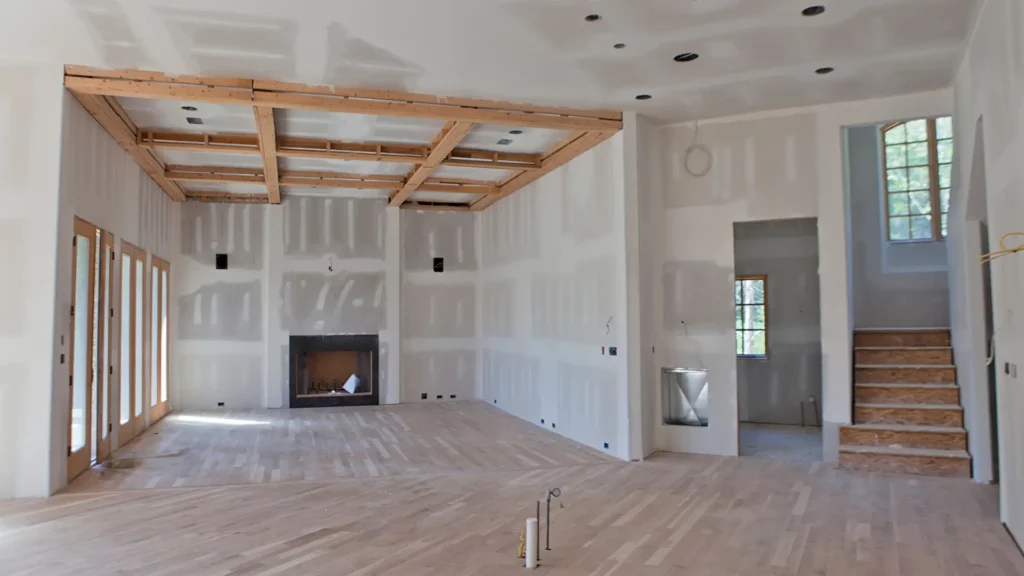
Reducing renovation costs does not mean settling for poor quality or short-term fixes. With smart planning, informed choices, and local knowledge, homeowners in Kerikeri can manage home renovation costs effectively while still achieving durable, high-quality results that add long-term value.
Keep The Existing Layout Where Possible
One of the most effective ways to control renovation costs is to work within your home’s existing layout. Structural changes often trigger additional expenses that quickly add up, especially in older Kerikeri homes.
- Why Moving Plumbing Is Expensive: Relocating plumbing requires licensed trades, potential floor or wall demolition, new pipework, waterproofing updates, and often building consent. Even small changes, such as moving a sink or toilet, can significantly increase labour costs and extend project timelines.
Keeping kitchens, bathrooms, and laundries in their original positions helps minimise disruption, reduces compliance requirements, and keeps renovation costs predictable.
Choose Cost-Effective Materials That Last
Material selection plays a major role in overall renovation costs. The goal is to balance durability, appearance, and price rather than simply choosing the cheapest option available.
- Where To Splurge Vs Save: It is usually worth investing in items that experience daily wear, such as cabinetry hardware, benchtops, flooring, and waterproofing systems. Savings can often be made on decorative finishes, tiles, lighting fixtures, or fittings that are easy to upgrade later without major labour costs.
Choosing mid-range materials with proven performance often delivers the best long-term value for Kerikeri homeowners, especially in coastal or humid conditions.
Work With Local Kerikeri Trades
Engaging local tradespeople can make a noticeable difference to both costs and project experience. Trades who regularly work in the Far North understand local building conditions, council requirements, and supplier networks.
- Better Communication: Local trades are easier to meet on-site, respond to questions, and coordinate with other contractors. Clear communication helps avoid misunderstandings that can lead to costly rework.
- Faster Response Times: When issues arise, local trades can attend site quickly without long travel delays. This keeps projects moving and reduces downtime that can increase labour costs.
Building strong working relationships with local professionals often leads to smoother projects and more realistic pricing.
Plan Thoroughly Before Construction Starts
Thorough planning is one of the most overlooked ways to reduce renovation costs. Decisions made before work begins have a direct impact on budget control and project efficiency.
- Why Rushed Decisions Cost More Later: Last-minute changes during construction often result in variation charges, wasted materials, and delays. Changes to layouts, materials, or finishes after work has started are almost always more expensive than getting those decisions right from the beginning.
Taking time to finalise designs, budgets, and material selections before construction helps ensure your renovation stays on track financially and avoids unnecessary stress.
Is Renovating Worth It In Kerikeri?
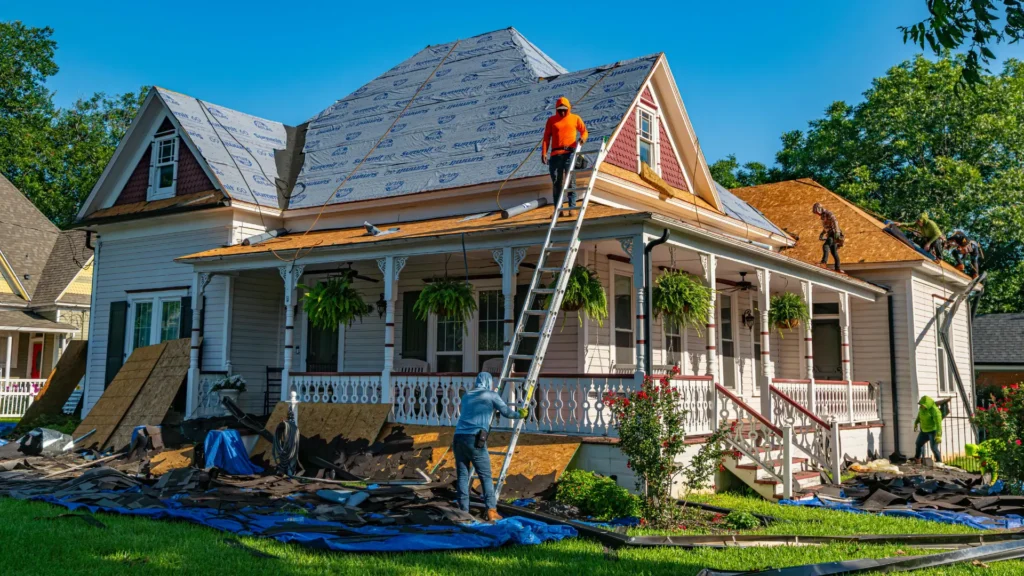
Renovating in Kerikeri is often about more than just increasing property value. For many homeowners, the decision balances financial return, lifestyle improvement, and long-term plans. Understanding how renovations perform in the local market can help you decide whether upgrading your current home makes more sense than moving.
Renovation Vs Buying Another Home
For Kerikeri homeowners, renovating is frequently weighed against the option of selling and purchasing another property. Current market conditions play a big role in this decision.
- Current Market Considerations: Kerikeri’s property market is influenced by lifestyle buyers, retirees, and families drawn to Northland’s climate and pace of life. Limited housing stock and rising build costs often mean that buying a “finished” home can come at a premium. Renovating an existing property may be more cost-effective, especially if you already own land in a desirable location or have a home with good bones that simply needs updating.
Renovation can also help homeowners avoid additional expenses such as real estate fees, moving costs, and the emotional disruption of relocating. In many cases, improving what you already own allows you to achieve the home you want without competing in a tight market.
Value-Adding Renovations In Kerikeri
Not all renovations deliver the same return. Some upgrades consistently add more value and appeal, particularly in Kerikeri’s lifestyle-focused market.
- Kitchens, Bathrooms, Outdoor Living: Updated kitchens and bathrooms tend to provide the strongest return on investment because they are high-use areas that buyers notice immediately. Outdoor living spaces, such as decks and covered entertaining areas, are especially valuable in Kerikeri, where indoor-outdoor flow is a major lifestyle priority. These renovations often improve both daily enjoyment and buyer appeal.
- Lifestyle Appeal For Buyers: Buyers in Kerikeri are often looking for comfort, functionality, and a relaxed lifestyle rather than luxury finishes alone. Renovations that enhance natural light, improve flow, or create low-maintenance living tend to resonate strongly and can make a property more competitive when it comes time to sell.
Lifestyle Vs Resale Value
While return on investment is important, not every renovation decision should be driven purely by resale potential.
- When Renovations Are About Enjoyment, Not Profit: Many homeowners renovate to improve comfort, accessibility, or personal enjoyment, especially if they plan to stay long term. Features like better insulation, improved layouts, or custom outdoor areas may not deliver the highest financial return, but they can significantly improve quality of life. In these cases, the value comes from daily use rather than future resale figures.
A balanced approach often works best, prioritising renovations that both enhance lifestyle and maintain broad buyer appeal, while still allowing room for personal preferences.
Common Renovation Mistakes Kerikeri Homeowners Make
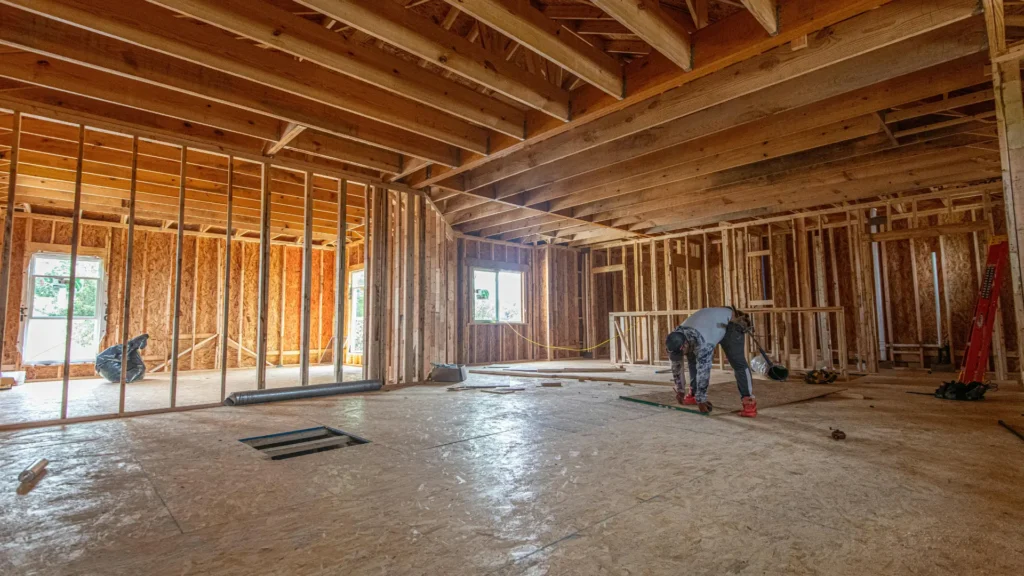
Renovating a home in Kerikeri can be rewarding, but many homeowners encounter issues that could have been avoided with better planning and realistic expectations. These common mistakes often lead to budget blowouts, delays, and unnecessary stress during the renovation process.
Underestimating Total Costs
- Initial Quotes Are Not The Final Price: Many homeowners assume the quoted figure covers everything, but quotes often exclude variations, finishing items, and unforeseen work that increases the final cost.
- Hidden Issues In Older Kerikeri Homes: Older homes in the area frequently reveal problems such as outdated wiring, plumbing issues, moisture damage, or structural wear once renovation work begins.
- No Contingency Budget Set Aside: Failing to allow an extra 10 to 20 percent contingency can leave homeowners unprepared when unexpected expenses arise.
Skipping Professional Advice
- Poor Planning And Layout Decisions: Without professional guidance, renovations may result in inefficient layouts, impractical design choices, or reduced functionality.
- Compliance And Consent Oversights: Skipping expert advice increases the risk of missing council consent requirements or building regulations, which can lead to costly delays or rework.
- False Savings Upfront: Avoiding designers, architects, or project managers may seem cost-effective initially, but mistakes during construction often cost more to fix later.
Choosing The Cheapest Quote
- Lower Quotes Can Mean Lower Quality: The cheapest option may involve substandard materials, rushed workmanship, or limited scope that affects durability and finish quality.
- Incomplete Or Vague Pricing: Some quotes appear cheaper because they lack detail, leaving room for additional charges once work is underway.
- Higher Long-Term Costs: Poor workmanship often leads to repairs, maintenance issues, or reduced resale value, outweighing any initial savings.
Not Allowing Enough Time
- Unrealistic Renovation Timelines: Many homeowners underestimate how long renovations take, particularly when relying on local trades who may be booked well in advance.
- Material Supply Delays In Northland: Transport distances and supplier availability can delay material deliveries, slowing progress if not planned for.
- Rushed Decisions Increase Risk: Tight timelines often force last-minute decisions on materials and finishes, increasing the likelihood of mistakes or future regret.
By understanding and avoiding these common renovation mistakes, Kerikeri homeowners can approach their projects with greater confidence. Allowing realistic budgets, seeking professional advice, and planning sufficient time can make the renovation experience smoother and deliver results that add long-term value and enjoyment to the home.
Planning a renovation doesn’t have to feel overwhelming. If you want clear pricing guidance, local expertise, and honest advice tailored to your Kerikeri home, we’re here to help.
References
- Home Renovation Cost Guide NZ 2025
https://builderconnect.co.nz/blog/home-renovation-cost-guide-nz-price-breakdown-2025/ (builderconnect.co.nz) - Home Renovation Costs NZ 2025 Price Guide & Budget Tips
https://homebuilderswarkworth.co.nz/home-renovation-costs-nz/ (homebuilderswarkworth.co.nz) - House Renovation Costs in NZ Guide & Calculator
https://www.topbuilders.nz/post/house-renovation-costs-nz (TopBuilders) - Complete Guide to Full House Renovation Costs NZ (2025)
https://www.completerenovation.co.nz/full-house-renovation-cost/ (completerenovation.co.nz) - Home Renovation Costs NZ Full Breakdown & Budget Tips
https://builderskapiti.nz/home-renovation-costs-nz/ (builderskapiti.nz)
FAQs: About Home Renovation Costs In Kerikeri
How much does a home renovation typically cost in Kerikeri?
Home renovation costs in Kerikeri can range from around $20,000 for small cosmetic updates to over $250,000 for full home renovations or extensions. The final cost depends on the size of the project, materials used, and labour requirements.
Are renovation costs higher in Kerikeri compared to other areas?
Renovation costs in Kerikeri can be slightly higher than some regions due to limited local trades, material transport costs, and demand for skilled labour in Northland.
What rooms are the most expensive to renovate?
Kitchens and bathrooms are usually the most expensive rooms to renovate because they involve plumbing, electrical work, waterproofing, and higher material costs.
Do I need council consent for a home renovation in Kerikeri?
Some renovations require council consent, especially structural changes, plumbing alterations, or extensions. It’s important to check with the Far North District Council before starting work.
How long do home renovations usually take?
Renovation timelines vary by project size. Small renovations may take a few weeks, while full home renovations or extensions can take several months.
What hidden costs should I budget for during a renovation?
Hidden costs may include structural repairs, outdated wiring or plumbing, consent fees, design changes, and unexpected material price increases.
Should I budget a contingency fund for my renovation?
Yes, it’s recommended to set aside a contingency of 10–20% of your total renovation budget to cover unexpected costs.
Is it cheaper to renovate or buy a new home in Kerikeri?
Renovating can be more cost-effective if you love your location and home layout, but the right choice depends on market conditions, renovation scope, and long-term goals.
Can I live in my home during renovations?
In some cases, yes. However, for major renovations involving kitchens, bathrooms, or structural work, temporary accommodation may be more practical.
How can I reduce home renovation costs without sacrificing quality?
You can reduce costs by keeping existing layouts, choosing durable mid-range materials, planning thoroughly, and working with experienced local trades.
Conclusion
Planning a home renovation in Kerikeri can feel daunting at first, but with the right approach, renovation costs are far more manageable than many homeowners expect. The key is allowing enough time to plan properly, setting a realistic budget early, and understanding how local factors such as labour availability, material transport, and council requirements can influence pricing. Being transparent with yourself about what you can afford, what your priorities are, and where flexibility exists helps prevent stress and costly surprises later on. Drawing on local knowledge is especially valuable in Kerikeri, where experienced professionals understand the unique characteristics of Northland homes and can provide practical guidance tailored to your property. Seeking professional advice early, obtaining detailed quotes, and building a sensible contingency into your budget all contribute to smoother decision-making and better outcomes. With clear expectations, honest information, and thoughtful planning, you can move forward with confidence and turn your renovation plans into a well-managed project that adds both comfort and long-term value to your home.